
BED BUG HELP IN LAND O’ LAKES AND PASCO COUNTY
Waking Up With Bites or Finding Spots Near the Bed?
Bites do not prove bed bugs. Check the sleeping area carefully and save any insect you find before throwing furniture away.
Call About Possible Bed BugsConfirming the insect comes before treating the room.
Bed bugs hide close to places where people rest for long periods. Mattress seams, box springs, bed frames, headboards, nightstands, upholstered furniture, baseboards, and luggage storage are common inspection areas. They do not require a dirty home.
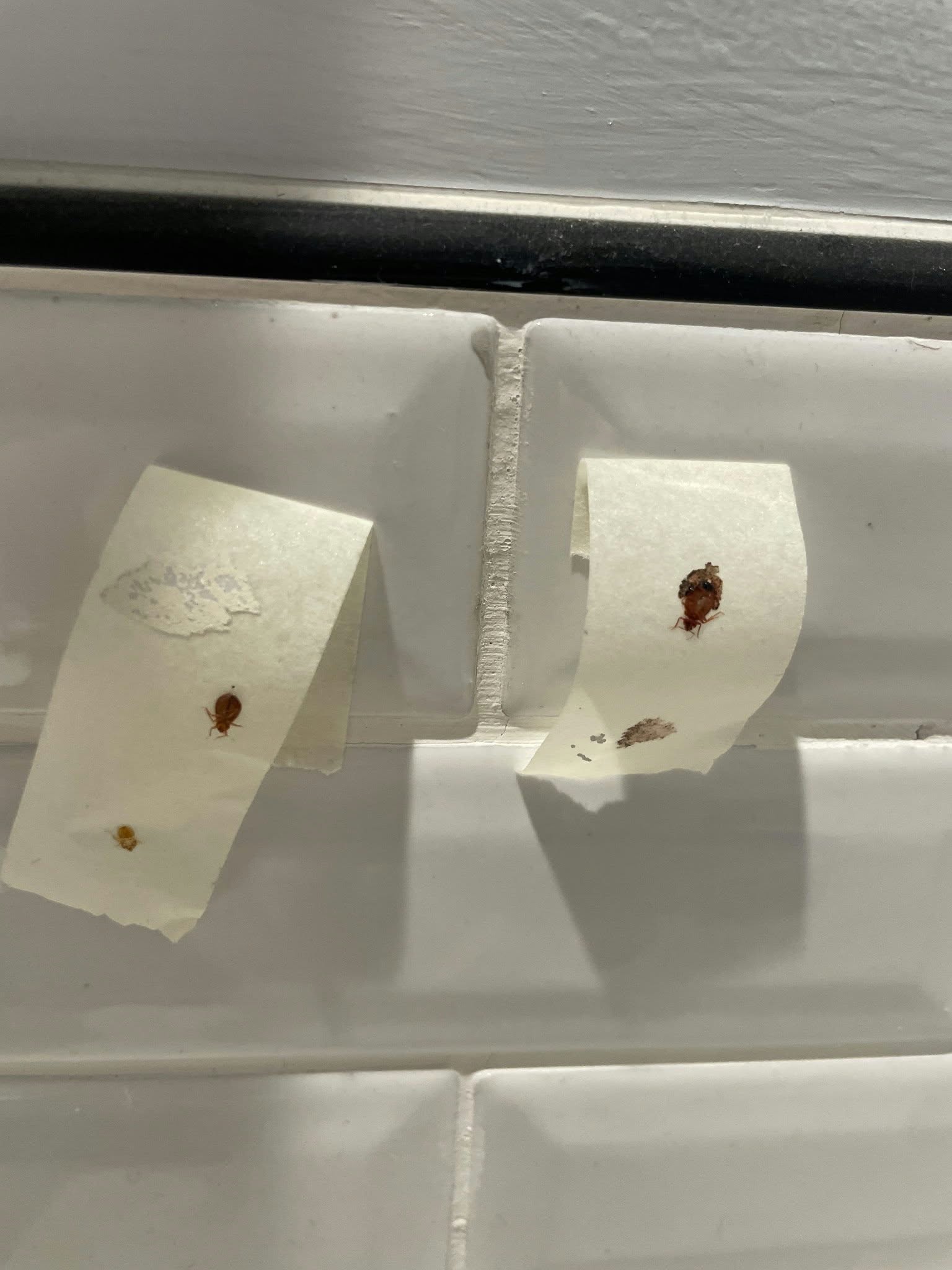
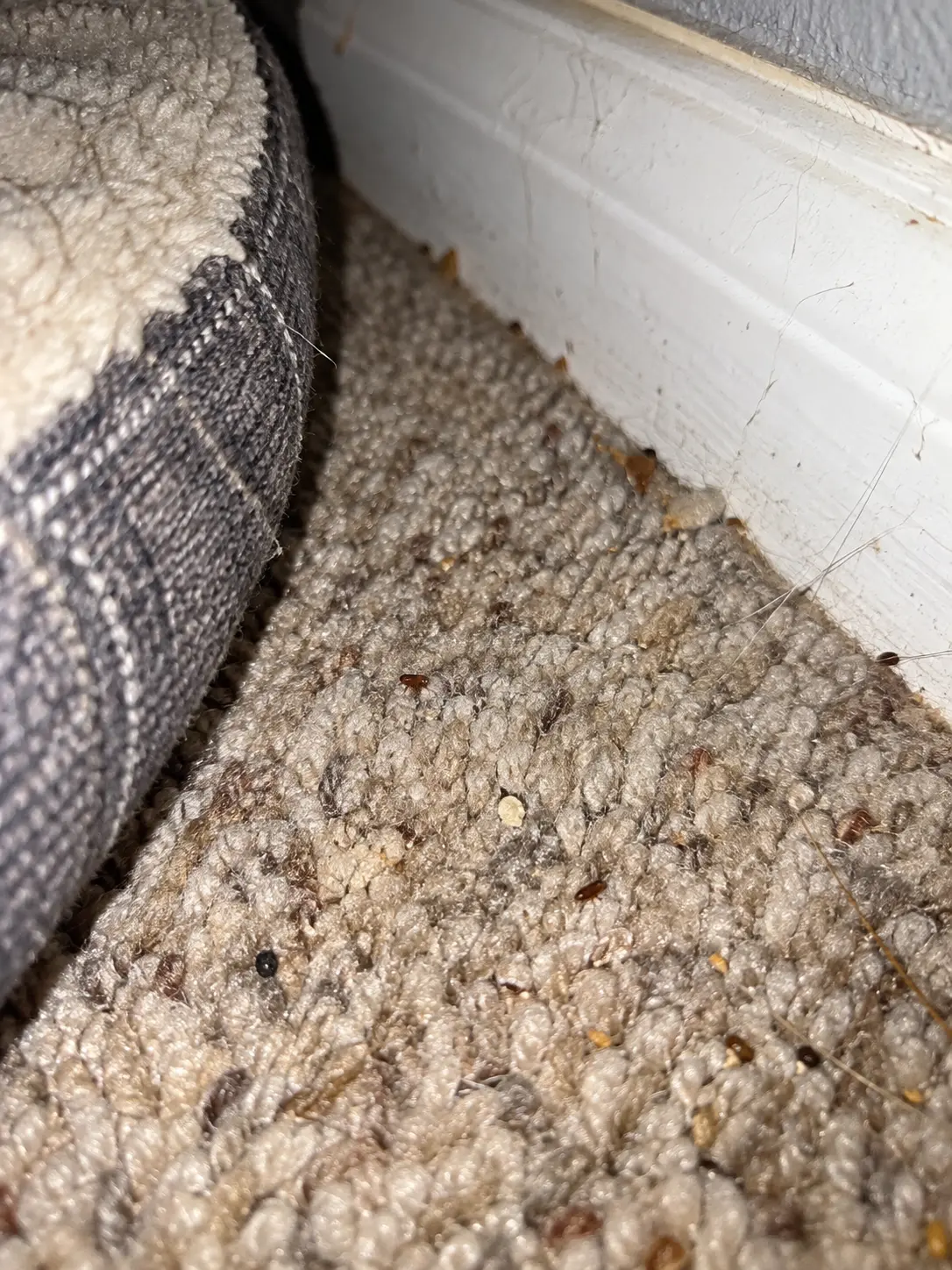
Bites vary from person to person, and some people show no reaction. Fleas, mosquitoes, skin irritation, and other causes can look similar. A live insect, shed skin, egg, fecal spotting, or a clear photo provides more reliable evidence than the pattern of bites alone.
Do not drag a suspected mattress or sofa through the house. Moving belongings between rooms can spread activity and make inspection harder. Keep the sleeping arrangement stable until you receive preparation guidance unless there is a medical reason not to.
CHECK THE RESTING AREA
Small evidence can hide along seams and joints
Mattress and box-spring seams
Use a flashlight along piping, labels, handles, and the underside. Dark spots or shed skins deserve a closer look, but stains alone are not proof.
Bed frames, headboards, and nearby furniture
Screw holes, joints, cracks, drawer corners, and the wall behind the headboard provide protected spaces close to a sleeping person.
Travel bags, guest rooms, and shared seating
Recent hotel stays, visitors, secondhand furniture, dorms, medical facilities, and rideshare or public seating can be relevant. The goal is to trace possibilities, not blame anyone.
CONFIRM, CONTAIN, THEN TREAT
Bed-bug preparation should fit the treatment instead of becoming a panic-cleaning project.
Inspection establishes whether bed bugs are present and which rooms or furniture are involved. Treatment may use a combination of carefully selected methods, monitoring, and follow-up. The plan depends on the layout, amount of activity, occupants, and preparation that can realistically be completed.
Bagging, laundering, vacuuming, or reducing clutter may be part of preparation, but random movement can spread insects. Use labeled bags and follow room-by-room instructions instead of carrying loose items through the home.
Second visits or monitoring may be needed. Bed bugs hide in narrow spaces, and eggs or concealed activity may not all be obvious on the first day. Follow-up is about confirming progress, not selling an endless service.
What to do tonight if you suspect bed bugs
Keep the evidence, avoid spreading belongings, and do not spend money on replacement furniture yet.
Capture a sample safely
Clear tape or a sealed container can preserve an insect. Label the room and exact location. Do not crush it beyond identification.
Photograph spots before cleaning
Take close photos and a wider picture of the furniture. Include a coin or ruler for scale when possible.
Skip foggers and furniture moves
Foggers may not reach hiding places, and moving beds or sofas can spread activity. Wait for a confirmed plan.
Bed-bug questions before you start moving furniture
The calm first steps are identification, containment, and a plan that fits the home.
Can bed bugs be identified from bites?
No. Bite reactions vary and can resemble fleas, mosquitoes, or skin irritation. An insect or physical evidence near a resting area is more reliable.
Should I throw away the mattress?
Not before inspection. Many mattresses can remain in place as part of a treatment plan. Moving or discarding furniture can spread activity and create unnecessary expense.
Do bed bugs mean the home is dirty?
No. Bed bugs are moved from place to place and need access to a resting person, not dirt. Clutter can make inspection and treatment harder, but it does not create them.
Can bed bugs live in a sofa?
Yes. Any upholstered furniture where someone regularly sits or sleeps can provide hiding areas close to a host.
Should I sleep in another room?
Moving sleeping locations can spread activity to another room. Ask for case-specific guidance before changing rooms, unless health or safety makes the current room unusable.
Can I use a bug bomb for bed bugs?
Foggers are not a good substitute for a targeted bed-bug plan and may scatter insects into harder-to-reach areas. Preserve evidence and have the room inspected.
Save the insect or photograph the evidence.
Tell us which room is involved, whether there was recent travel or secondhand furniture, and what you found along the bed or sofa.
Call About Possible Bed Bugs