
FLEA CONTROL IN LAND O’ LAKES AND PASCO COUNTY
Still Getting Bitten After the Pet Was Treated?
Adult fleas on the pet are only part of the problem. Floors, bedding, furniture, pet-resting spots, and wildlife access may also need attention.
Call About the FleasFleas can keep emerging after the first adults are gone.
Flea eggs fall away from an animal and end up where the animal rests, walks, jumps, and sleeps. Larvae develop in protected areas, and pupae can wait until movement, warmth, and carbon dioxide signal that a host is nearby. That is why a quiet room can seem fine until people walk through it again.
Treating the pet is important, but it does not remove every developing flea from carpet, rugs, upholstery, cracks, pet bedding, a shaded porch, or an area used by wildlife. The veterinarian and the home treatment each handle a different part of the same problem.
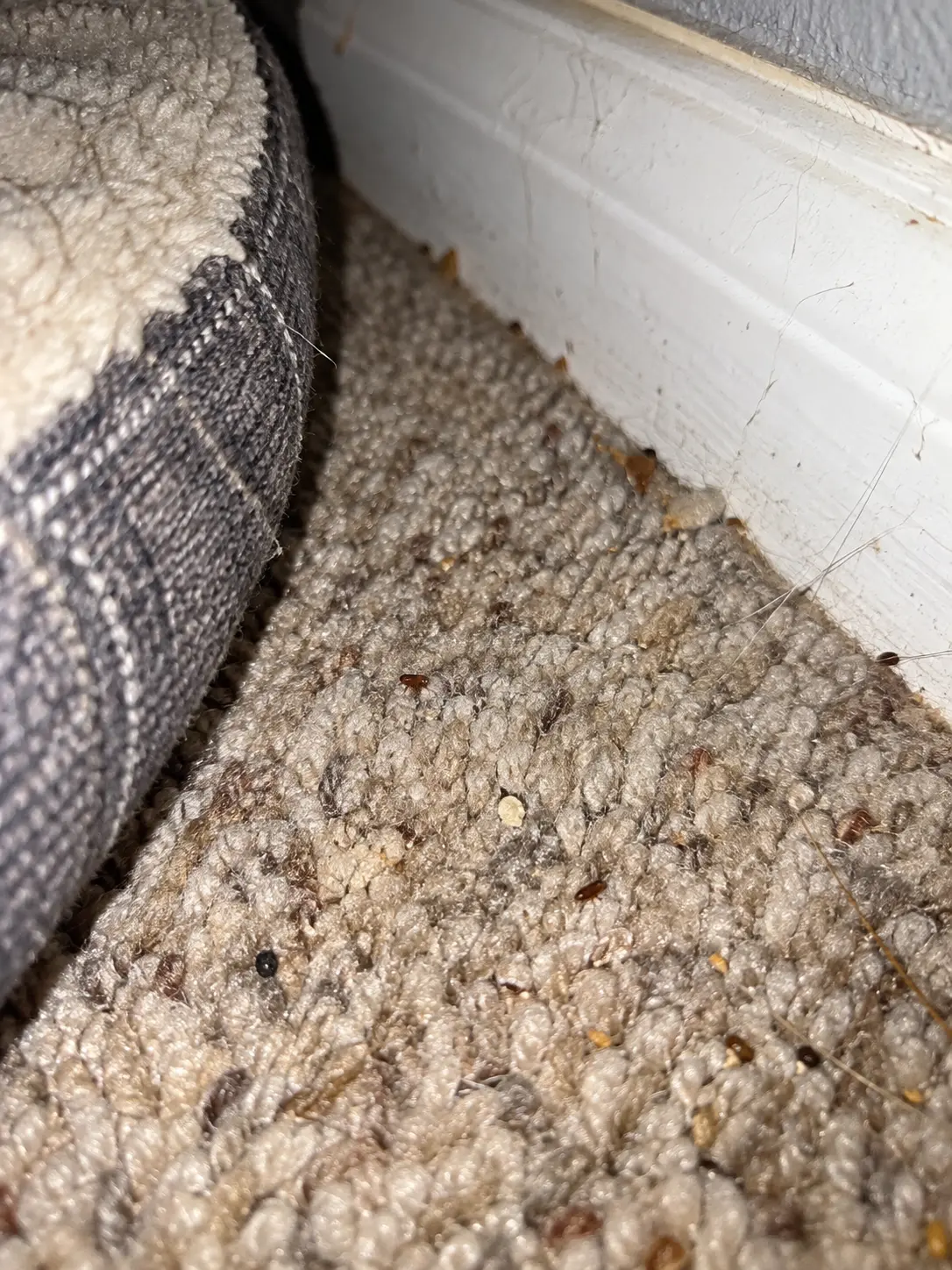
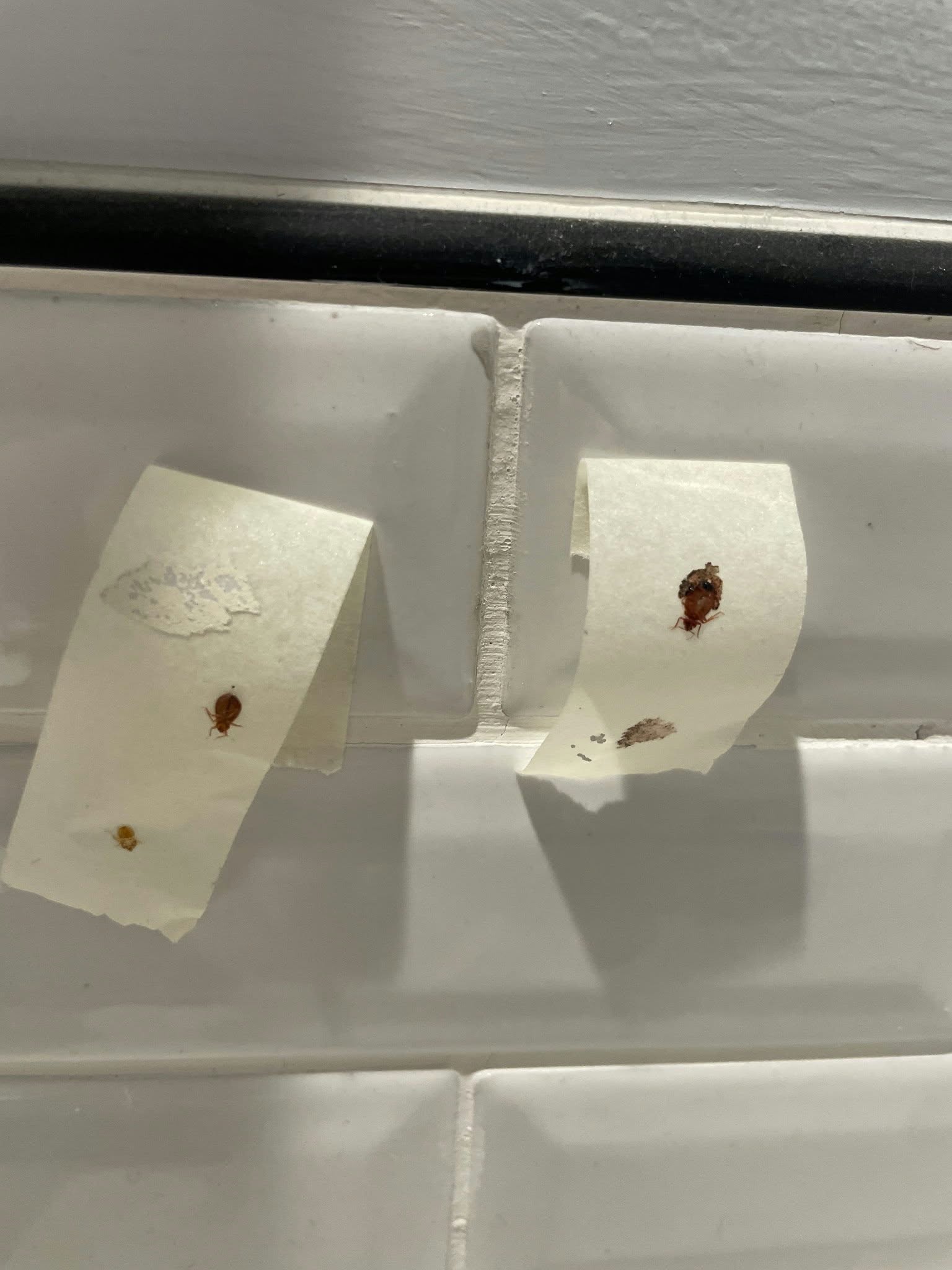
Bites around ankles can fit fleas, but bites alone are not an identification. Save an insect on clear tape or in a sealed container if possible, and photograph the areas where pets spend the most time.
WHERE TO LOOK
Flea activity follows the animals and the places they rest
Pet beds, sofas, and favorite floor spots
Check seams, nearby baseboards, rugs, and the path between resting areas. Pet hair and organic debris collect where immature fleas can develop.
A room that was recently quiet or vacant
Pupae may emerge when people or pets return and begin walking through the room. A sudden burst after vacation does not mean the fleas appeared overnight.
Porches, crawl-free slab edges, and wildlife areas
Outdoor flea pockets can form where pets, raccoons, opossums, rodents, or feral animals rest in shade. The source may be close to a doorway rather than across the whole lawn.
BREAKING THE LIFE CYCLE
The pet and the home have to be addressed on the same timeline.
Ask the veterinarian about an appropriate flea product for each pet. Do not use dog products on cats or combine products without professional guidance. Pest-control treatment does not replace veterinary care.
Vacuuming helps remove debris and encourages some developing fleas to emerge where treatment can reach them. Focus on pet areas, carpet edges, rugs, upholstery seams, and beneath furniture. Empty the vacuum contents as directed and keep up the schedule you are given.
Follow-up timing matters because new adults may emerge after the first service. That does not automatically mean nothing worked. The amount of activity should trend down as the life cycle is interrupted.
How to prepare without turning the house upside down
Preparation depends on the home, but these details are useful before any treatment is scheduled.
List every pet and where each one sleeps
Include indoor and outdoor pets, even if one animal does not seem itchy. Bird cages, small-animal bedding, and cat hiding spots may affect access and preparation.
Wash movable pet bedding when instructed
Use the laundering guidance that fits the material, and avoid moving infested bedding through clean rooms before it is contained.
Do not treat the yard blindly
Fleas are more likely in shaded resting pockets than in the middle of a hot open lawn. Identify where animals lie or travel before deciding whether outdoor work is needed.
Flea questions after the pet has been treated
Why the house can stay active and what helps the life cycle wind down.
Why do I still see fleas after treating the pet?
Eggs, larvae, and pupae may remain in the home and continue developing. The pet treatment and the environmental plan need time to interrupt the full life cycle.
Should the pet leave during home treatment?
Follow the instructions for the specific service. Every pet should be disclosed in advance, including cats, dogs, birds, reptiles, fish, and small mammals.
Do fleas live in carpet?
Developing stages can be found in carpet fibers, rugs, cracks, upholstery, and pet-resting areas. Adults spend much of their time on a host.
Can fleas live in a home without pets?
Yes. Fleas may remain after a pet leaves, emerge when people return, or be introduced by rodents and wildlife. Identification and the property history help.
Do I have to treat the entire yard?
Not automatically. Outdoor flea activity is usually concentrated in shaded, protected places where animals rest. A property walk can identify whether outdoor treatment belongs in the plan.
How can I tell fleas from bed bugs?
Fleas are small jumping insects often tied to pets and floor-level bites. Bed bugs crawl and hide near sleeping or resting areas. Save a specimen or clear photo rather than identifying from bites alone.
Tell us where the pets sleep and where bites are happening.
Include the flooring type, pet treatment date, recent travel or vacancy, and whether wildlife or rodents use the property.
Call About the Fleas