PEST CONTROL IN LUTZ
Pests Around a Wooded Lot, Lake Home, Newer Neighborhood, or Older House?
Lutz has a little of everything. The useful pest plan starts with the property you have, not a county-wide checklist.
Call About the Pest ProblemA shaded acre and a newer subdivision lot do not create the same pest routes.
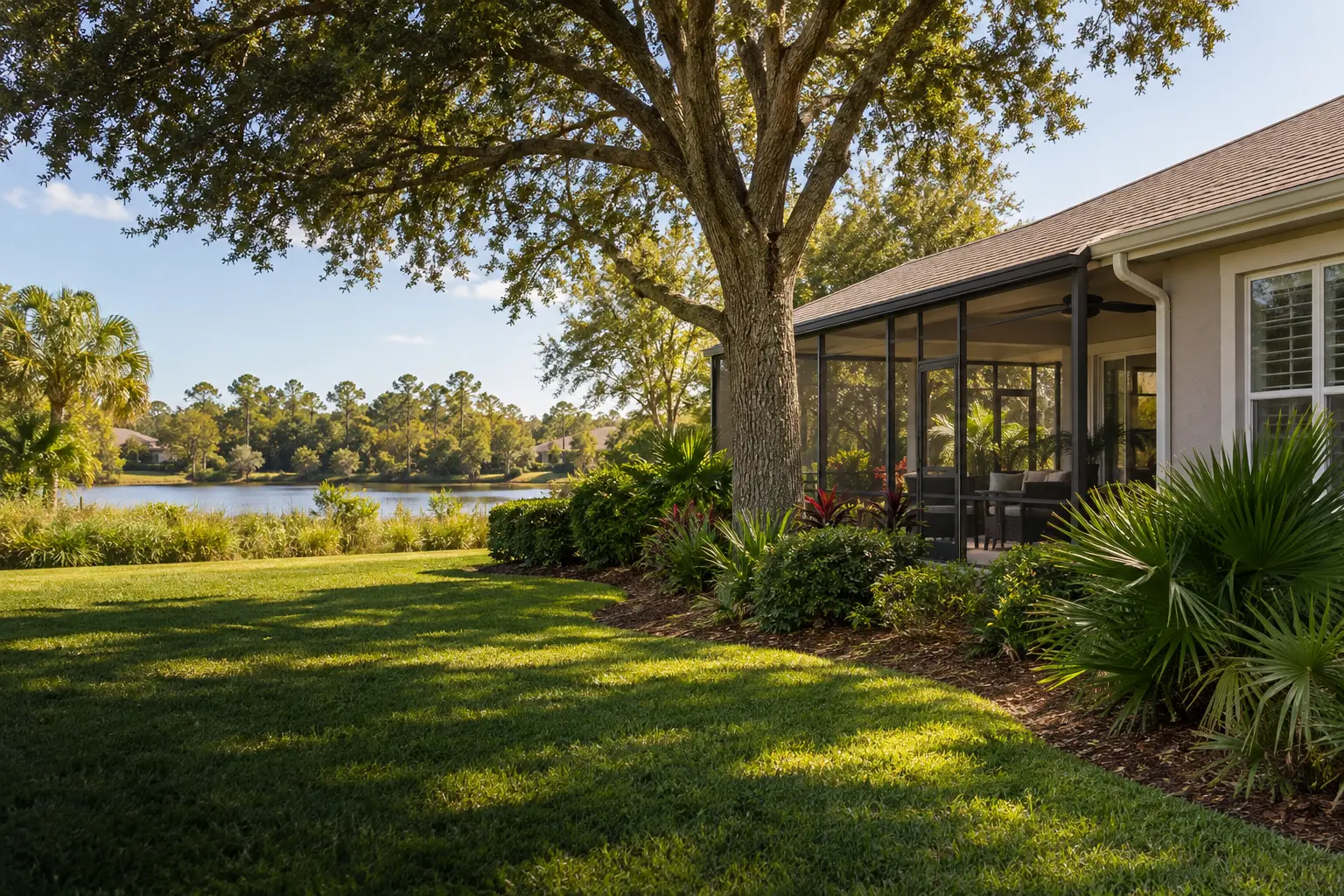
Lutz stretches across older roads, lakes, mature trees, semi-rural pockets, and newer communities. One home may have a detached shed and heavy leaf litter while another has irrigated beds, a retention pond, and close neighboring walls.
Roaches, ants, mosquitoes, spiders, and rodents use water, shade, rooflines, utility openings, and stored items differently on each property. The inspection should follow the evidence rather than treating every exterior edge the same way.
Photos are especially useful on larger properties. Include the structure where you found the problem and one wider view showing trees, water, storage, animal areas, or landscaping nearby.
AROUND LUTZ HOMES
Older trees, water, and outbuildings add places pests can use
Large roaches moving from outside
Leaf litter, sheds, garages, drains, and damp exterior corners can place outdoor roaches close to doors and utility gaps.
Rodents around attics and detached storage
Tree contact, roof gaps, feed, bird seed, and boxes can support separate activity in the house, garage, or shed.
Mosquitoes beside lake edges and shaded yards
Natural water gets attention, but tarps, plant saucers, gutters, troughs, and equipment can create smaller breeding pockets close to people.
Termite evidence around additions and slab edges
Older repairs, porch conversions, decks, mulch, and moisture may hide or expose different parts of the foundation.
Walk every structure involved in the problem
The main house may be only one part of the route.
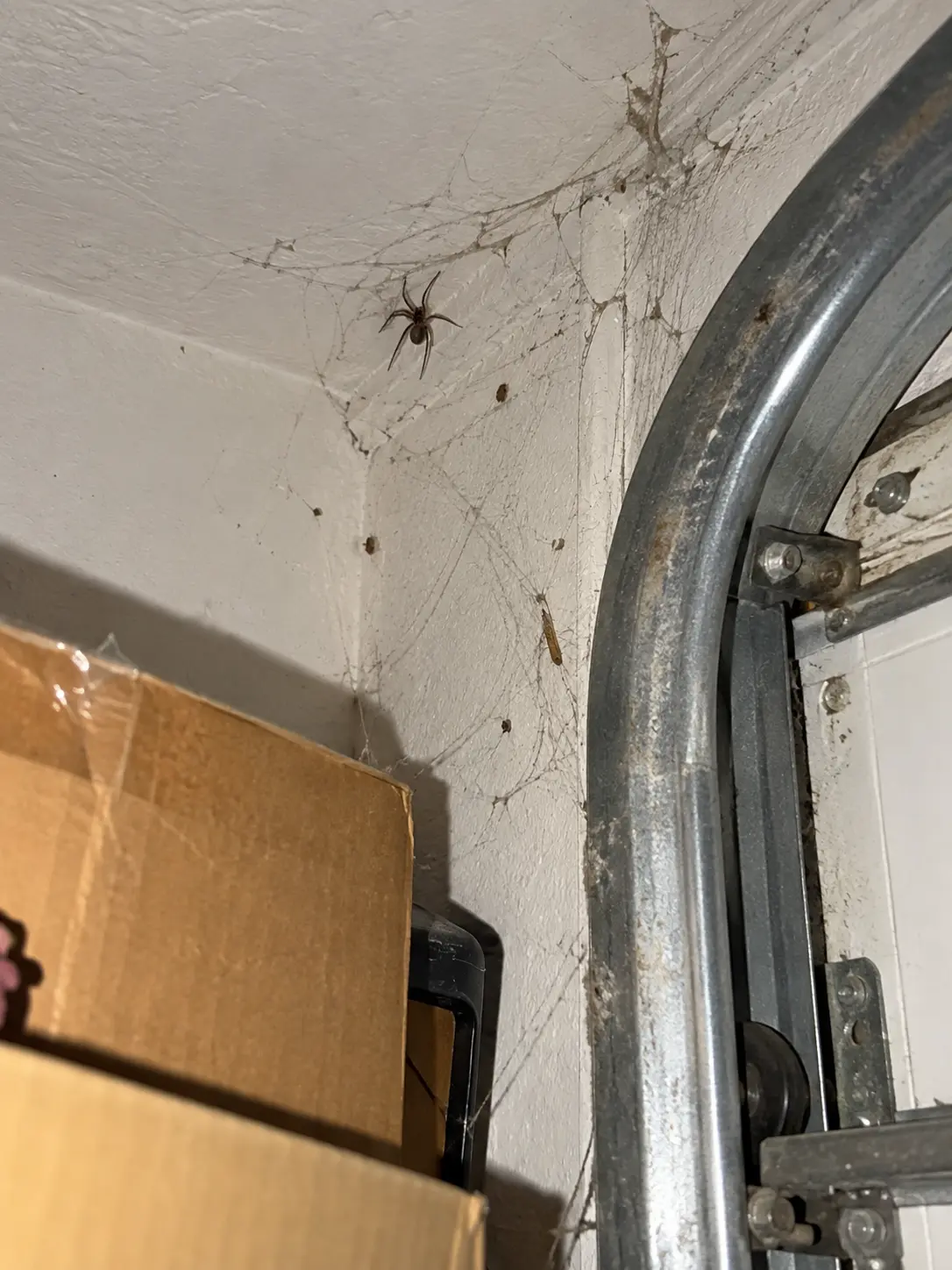
Sheds and garages hold quiet hiding areas
Cardboard, pet food, seed, equipment, and limited daily traffic give roaches, rodents, and spiders protected spaces.
Tree contact can connect the roof to the yard
Branches and vines near rooflines may provide access, but vents, soffits, and construction gaps still need to be checked.
Animal areas need to be identified first
Chickens, cats, dogs, fish ponds, and livestock feed affect where products can be placed and what sanitation is realistic.
Pest services for Lutz properties
Start with the pest or evidence, then describe every structure or animal area that may be connected.
Lutz pest-control questions
Acreage, lakes, trees, sheds, and newer neighborhoods each change the starting point.
Do mature trees cause rodent problems?
Trees do not create rodents, but branches can provide access near the roof. Food, water, shelter, and openings still determine whether they enter.
Can a shed be treated separately from the house?
Yes, but the whole property should be considered if food, storage, or travel routes connect the two structures.
Are lake lots always worse for mosquitoes?
Not always. Managed open water may produce fewer mosquitoes near the patio than small neglected containers, gutters, or shaded drains on the lot.
Should I remove mulch before a termite inspection?
Do not make major changes before the evidence is documented. Keeping a visible foundation edge is helpful, but preserve tubes or damaged areas for inspection.
Can pest control be used around chickens or outdoor cats?
Sensitive animal areas must be discussed before service. The plan, placement, and preparation should account for every animal on the property.
What photos help on a larger property?
Send one close photo of the pest or evidence, one of the exact spot, and one wider view showing the nearby structure, vegetation, water, or storage.
Describe the property, not just the bug.
Tell us whether the activity is in the house, garage, shed, lanai, attic, animal area, or yard and what is nearby.
Call About the Pest Problem