
COMMERCIAL PEST CONTROL IN PASCO COUNTY
Pest Activity Where Customers, Staff, Food, or Inventory Move?
A useful commercial plan follows the building’s routine: deliveries, storage, trash, drains, doors, closing time, and the areas people rarely see.
Call About Commercial Pest ControlThe business cannot pause every time a pest shows up.
A restaurant, office, shop, warehouse, medical space, daycare, and multi-unit property do not need the same inspection. The pest may be the same, but access, documentation, sensitive areas, hours, customers, and staff routines change the plan.
Pest activity often follows deliveries, floor drains, mop areas, break rooms, exterior doors, dumpster routes, roof or utility openings, and stock that sits undisturbed. The person who closes the building may notice something the daytime manager never sees.
The first conversation should cover the actual operation and any deadline from a landlord, customer, inspection, or internal report. A vague promise to “spray the place” is not enough information for a business to work around.
MAP THE ACTIVITY
The route through the building matters
Receiving and storage
Cardboard, pallets, returned goods, food packages, and long-term storage can introduce or hide insects. Note which deliveries or aisles are involved.
Water, drains, and cleaning areas
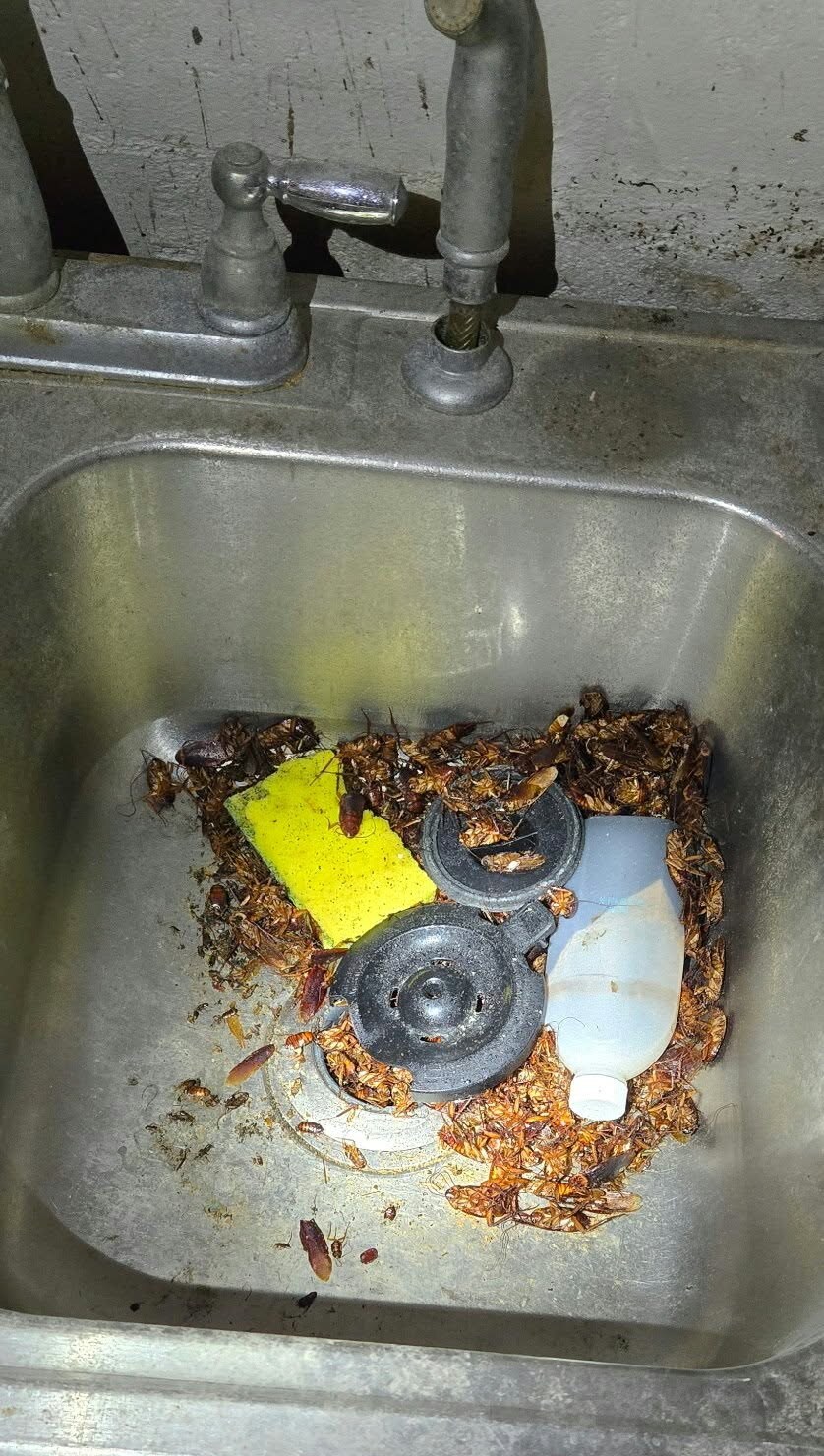
Floor drains, condensation, ice machines, sinks, mop closets, and leaking fixtures can support roaches, flies, ants, and other pests.
Doors, trash, and exterior lighting
Open doors, poor sweeps, dumpster placement, grease, vegetation, and lights beside entrances can keep exterior pressure close to customers and staff.

SERVICE THAT FITS THE OPERATION
Commercial pest control needs access, communication, and a record of what changed.
Inspection and monitoring establish where activity is concentrated. Treatment should be placed around the pest and the site without interfering with food handling, customer areas, medical needs, inventory, or employee safety.
Building repairs, sanitation, stock rotation, drain cleaning, dumpster management, and delivery practices may sit partly outside pest service. The useful report identifies those conditions clearly so the right person can handle them.
If regular service is needed, the schedule should match the risk and business hours. A small office with occasional ants should not be handled like a food facility with daily deliveries and floor drains.
Information that makes the first commercial visit more useful
The manager does not need a perfect log. A few specific details point the inspection in the right direction.
Name the rooms and times
“Roaches” is less useful than “small roaches beside the dishwasher after closing.” Ask staff on other shifts what they have noticed.
Save service and inspection records
Previous treatment, health or property inspections, leak repairs, and recurring work orders can show what has already been tried.
Identify access and sensitive areas
List locked rooms, ceiling access, food areas, patient or child spaces, animals, and hours when treatment cannot occur.
Commercial pest-control questions
The details managers need before fitting service around the workday.
Can service happen outside normal business hours?
Scheduling depends on the property and access. Share the operating hours, locked areas, staff availability, and any time the service cannot occur.
Do employees need to leave?
That depends on the treatment and area. Sensitive spaces and occupants should be identified before the plan is scheduled so the correct instructions can be given.
Can you provide service records?
Commercial accounts often need documentation of findings, service, and conditions. Explain the record format or inspection requirement the business needs.
What if pests arrive in deliveries?
Receiving inspection, cardboard handling, stock rotation, and supplier communication may need to work with monitoring and treatment around the receiving area.
Does the dumpster need to be treated?
The dumpster area should be inspected, but cleaning, lid condition, drainage, distance from doors, and pickup schedule are just as important as treatment.
Can one tenant be treated in a multi-unit building?
Sometimes, but shared walls, plumbing, halls, trash, and neighboring units may affect the result. The inspection should determine whether the problem is isolated.
Tell us how the building is used.
Include the pest, rooms, times, business type, sensitive areas, access needs, and any inspection or reporting deadline.
Call About Commercial Pest Control